Common Upholstery Odours We Help Address
Every household has its own unique combination of smells, but certain types of upholstery odours come up regularly in our work. Here are some of the most common situations where our fabric odour removal services can make a real difference.
- Pet odours
- Food and drink odours
- Smoke related odours
- Everyday household odours
- Moisture related odours
- Body oils and perspiration build-up
- Cooking odours
- General furniture staleness
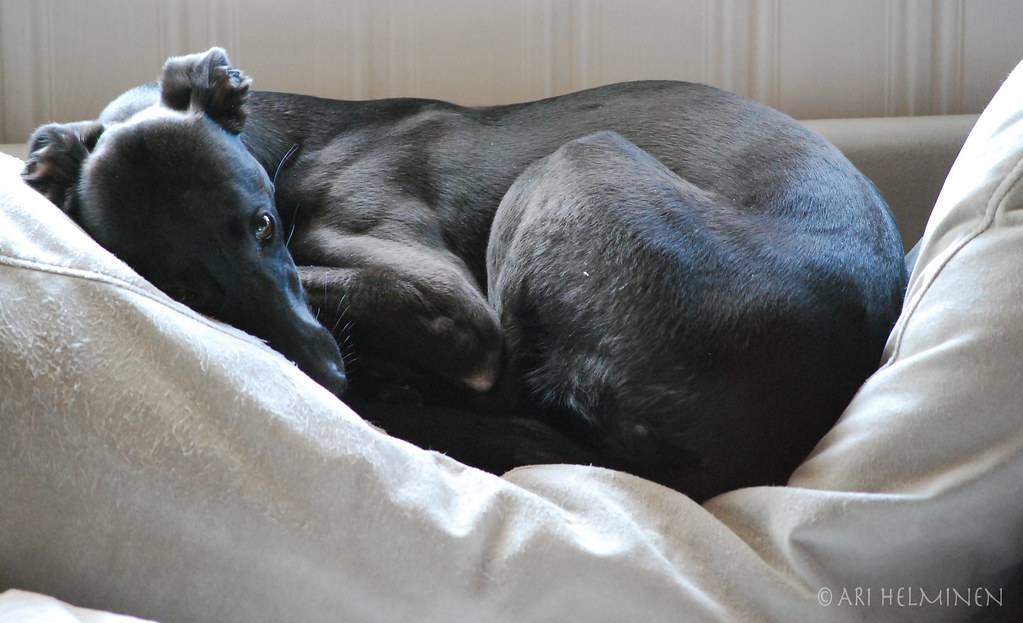
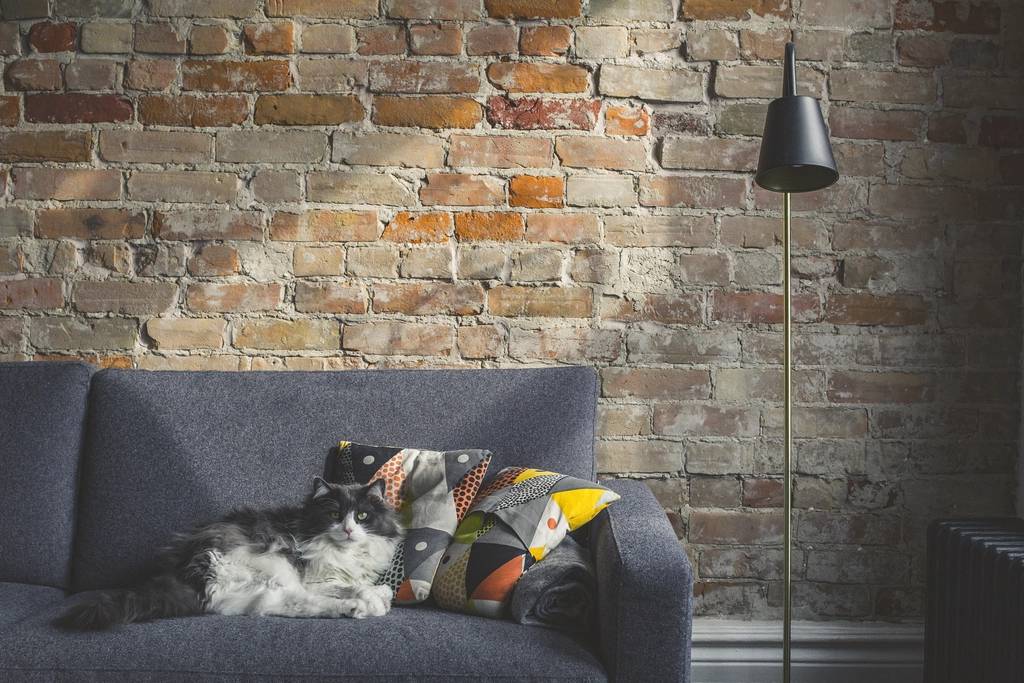
Pet odours are among the most frequent reasons homeowners reach out for lounge odour removal. Dogs and cats bring warmth and companionship into our homes, but they also leave behind oils from their fur, dander, and the occasional accident. Even pets that never have mishaps can transfer outdoor smells onto upholstery simply by curling up for a nap on their favourite spot. These odours can seep deep into cushion foam where surface cleaning cannot reach.
Food and drink odours build up gradually. That spilled glass of milk, the curry dinner enjoyed on the couch, or the coffee that sloshed onto the armrest all contribute to a cumulative effect. Over months and years, these organic residues break down and create persistent smells that remind you of what was eaten long after the meal is over.
Smoke related odours whether from cigarettes, candles, or nearby bushfire smoke, can be particularly stubborn. Smoke particles are extremely fine and work their way deep into fabric fibres, padding, and even the frame of upholstered pieces. Upholstery odour removal is often the only way to properly address smoke smells that have settled into furniture.
Everyday household odours include the general background smell that every home develops. It might be a combination of cooking, cleaning products, and simply the presence of people living and breathing in a space. While not unpleasant on its own, this background note can become stale over time and make furniture feel less fresh than it should.
Moisture related odours develop when humidity, spills, or dampness get trapped in upholstery. This can lead to musty smells that make furniture feel unwelcoming. In some cases, persistent moisture can encourage mould growth, which brings its own distinct odour and potential health considerations. Addressing moisture related smells early helps protect both your furniture and your indoor environment.
Body oils and perspiration build-up happens naturally on any furniture that gets regular use. Headrests, armrests, and seat cushions are the most affected areas. These oils oxidise over time, creating a distinct smell that can be difficult to remove with household products alone. Our upholstery freshening process targets these oily residues directly.
Cooking odours are especially noticeable in open-plan homes where the kitchen and living area share the same space. Oils and aromatic compounds from frying, roasting, and simmering can settle into fabric furniture, leaving a lingering reminder of last night's dinner. Regular ventilation helps, but fabric deodorising treatments address what has already been absorbed.
General furniture staleness is that feeling you get when you sit down and something just smells a bit off or tired. It is not necessarily one identifiable source, but rather the accumulation of everything over time. A thorough furniture deodorising treatment can reset that freshness, making your furniture feel pleasant to use again.