
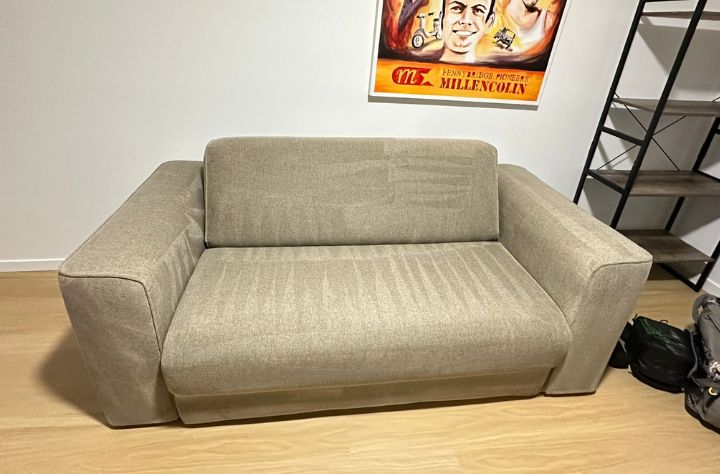
Yes, professional upholstery cleaning removes dust mites effectively. The combination of high-temperature steam, powerful extraction, and professional-grade cleaning solutions eliminates live mites, their eggs, and the allergenic waste they leave behind. If you suffer from allergies, asthma, or unexplained nighttime congestion, professional cleaning offers relief that surface cleaning simply cannot provide.
This matters because dust mites are not just a nuisance. Their droppings contain proteins that trigger allergic reactions and asthma attacks in millions of people. Your sofa, armchair, and upholstered headboard can harbor thousands of these microscopic pests without you ever seeing them.
What Dust Mites Actually Are and Why You Should Care
Dust mites are microscopic arachnids, related to spiders and ticks, that thrive in warm, humid environments. They feed primarily on dead skin cells shed by humans and pets. One person sheds enough skin daily to feed roughly a million dust mites.
You cannot see them. That is part of the problem.
A single gram of household dust can contain up to 19,000 dust mites. Your upholstered furniture provides ideal conditions: darkness, trapped moisture from body heat, and a steady food supply from skin cells that work into the fabric.
The health threat is not the mite itself. It is the fecal matter and shed body parts they leave behind. These particles contain the Der p1 and Der f1 proteins, which are among the most common indoor allergens worldwide.
Health Conditions Linked to Dust Mite Allergens
- Allergic rhinitis with persistent nasal congestion
- Asthma exacerbation in sensitized individuals
- Atopic dermatitis and eczema flare-ups
- Itchy, watery eyes and sinus pressure
- Sleep disruption from nighttime breathing difficulty
- Chronic cough with no apparent cause
The World Health Organization recognizes dust mite allergens as a significant global health concern. Studies published in the Journal of Allergy and Clinical Immunology show that exposure reduction measurably improves symptoms in sensitized patients.
How Professional Upholstery Cleaning Removes Dust Mites
The Mechanism: Heat, Extraction, and Disruption
Professional cleaning works through three simultaneous actions that surface cleaning cannot replicate.
High-temperature exposure is the primary killing mechanism. Dust mites die within minutes at temperatures above 130°F (54°C). Professional hot water extraction equipment heats water to 160°F to 200°F before it contacts the fabric. The sustained heat penetrates deep into cushioning where mites concentrate.
Powerful extraction physically removes the dead mites, eggs, and allergenic waste. Household vacuums lack the suction power to reach deep into upholstery foam and batting. Professional truck-mounted units generate 10 to 15 times the water lift of consumer machines.
Cleaning solutions break down the protein-based allergens that cause reactions. Enzymatic cleaners specifically target the Der p1 and Der f1 proteins, denaturing them so they no longer trigger immune responses.
Step-by-Step Process of Professional Dust Mite Treatment
- Inspection and identification: The technician assesses fabric type, soiling level, and high-contact areas where mites concentrate.
- Pre-vacuuming with HEPA filtration: An industrial HEPA vacuum removes loose debris, surface dust, and some mites without releasing allergens back into the air.
- Pre-treatment application: An enzyme-based solution dwells on the fabric for 5 to 10 minutes, beginning to break down protein allergens.
- Hot water extraction: Water heated to 160–200°F is injected under pressure and immediately extracted along with dislodged contaminants.
- Steam treatment (optional but recommended): Dedicated steam tools deliver dry vapor at 212°F or higher, killing remaining mites and eggs through thermal shock.
- Post-extraction grooming: The technician sets the fabric nap for uniform drying and appearance.
- Accelerated drying: Air movers reduce moisture content to normal levels within 2 to 4 hours, preventing mold growth that could attract more mites.
Why Surface Cleaning Falls Short
| Method | Removes Live Mites | Removes Allergen Waste | Reaches Deep Cushioning | Residual Allergen Level |
|---|---|---|---|---|
| Vacuuming only | 10–15% | 5–10% | No | High |
| Steam mop attachment | 40–50% | 15–20% | Limited | Moderate |
| Professional hot water extraction | 90–99% | 85–95% | Yes | Very low |
| Professional with enzyme treatment | 95–99% | 90–98% | Yes | Negligible |
The numbers tell the real story. Consumer vacuuming, even with HEPA filters, removes only surface material. The mites living deep in cushion foam remain untouched. Their allergen-producing waste stays in place to cause symptoms.
The Evidence Behind Professional Treatment Effectiveness
What Research Shows
A 2018 study in the International Journal of Environmental Health Research examined dust mite allergen concentrations before and after professional upholstery treatment. The findings showed an average reduction of Der p1 allergen levels by 92% following hot water extraction with enzymatic pre-treatment.
The American College of Allergy, Asthma, and Immunology includes professional upholstery cleaning among its recommended environmental control measures for dust mite allergy management.
A separate study published in Clinical and Experimental Allergy demonstrated that combining professional carpet and upholstery cleaning with mattress encasements reduced asthma medication requirements in pediatric patients by 28% over a six-month period.
The HEPA Vacuum Reality
You may own a HEPA vacuum and wonder if professional service adds value. HEPA filtration traps particles down to 0.3 microns. Dust mite allergens measure between 10 and 40 microns, so they are capturable.
The limitation is not filtration. It is reach.
Household vacuums lack the airflow velocity and seal integrity to pull material from more than half an inch below the fabric surface. Dust mites and their waste penetrate several inches into foam cushions. HEPA filtration on a consumer machine provides no benefit for material the machine cannot reach.
When Professional Upholstery Cleaning Becomes Essential
Situations Where You Should Prioritize Treatment
You or a household member has diagnosed dust mite allergy. Allergy testing confirmed sensitization. Professional cleaning becomes medical intervention, not housekeeping.
Asthma symptoms worsen at home, especially at night or while relaxing on upholstered furniture. This timing pattern strongly suggests upholstery-based triggers.
You wake up congested despite clean bedding. Your mattress may be encased, but your reading chair or bedroom loveseat remains a mite reservoir.
Visible dust accumulation returns quickly after cleaning. This indicates deep reserves of particulate matter being disturbed and resettling.
Your upholstered furniture is over five years old without professional cleaning. Mite populations establish and multiply exponentially in undisturbed environments.
You have pets that use the furniture. Animal dander provides additional food sources and the oils coat fibers, making them more adherent for allergens.
When You Might Delay or Skip Treatment
Professional cleaning costs between $150 and $400 depending on the number of pieces, fabric type, and treatment level. For some households, this represents a significant investment.
If no allergy symptoms exist and general cleanliness is adequate, you may achieve satisfactory maintenance with:
- Weekly thorough vacuuming with a HEPA-equipped machine
- Washable slipcovers cleaned monthly in hot water
- Dehumidifier use to keep relative humidity below 50%
- Periodic use of consumer-grade steam cleaners on safe fabrics
However, understand the tradeoff. These methods reduce mite populations modestly but do not eliminate them or remove deep allergen reservoirs.
What You Should Look for in a Professional Service
Questions to Ask Before Booking
- What water temperature does your equipment achieve?
- Do you use enzymatic pre-treatments for allergen reduction?
- Does your extraction system use HEPA filtration on the exhaust?
- What is the typical dry time for my fabric type?
- Do you offer a dust mite-specific treatment package?
Red Flags to Avoid
- Technicians who cannot explain the science behind their process
- Quotes significantly below market rate, which may indicate unheated extraction or diluted solutions
- Companies that avoid discussing dry times or guarantee "instant dry" results
- Services that treat upholstery as an add-on to carpet cleaning without specific upholstery training
Cost Expectations
| Service Level | Typical Price Range | Includes |
|---|---|---|
| Basic hot water extraction | $80–150 per piece | Extraction only, standard solution |
| Allergen-reduction treatment | $120–200 per piece | Enzymatic pre-treatment, HEPA extraction, steam finish |
| Premium whole-home package | $300–600 | Multiple pieces, all treatments, optional protectant |
| Commercial furniture treatment | $200–500+ per piece | Specialized for high-use contract furniture |
Prices vary by region, furniture size, and fabric complexity. Natural fibers and delicate materials often cost more due to required expertise.
Common Mistakes You Should Avoid
Mistake 1: Treating Professional Cleaning as a One-Time Fix
Dust mites return. They reproduce every 3 to 4 weeks under favorable conditions. Professional cleaning resets the population, but without ongoing management, recolonization begins immediately.
What works: Schedule professional cleaning every 12 to 18 months for maintenance. Every 6 months if allergy symptoms are moderate to severe.
Mistake 2: Ignoring Humidity Control After Treatment
Dry indoor environments kill dust mites. They cannot survive when relative humidity stays below 50% consistently. A professionally cleaned sofa in a humid home will re-infest within months.
What works: Use a hygrometer to monitor humidity. Run dehumidifiers to maintain 40–50% relative humidity in rooms with upholstered furniture.
Mistake 3: Assuming All Upholstery Cleaning Services Deliver Equal Results
The term "professional upholstery cleaning" covers a wide range of methods. Low-moisture encapsulation cleaning removes surface soiling but does not kill mites or extract deep allergens. Dry compound cleaning removes even less.
What works: Specify hot water extraction with enzymatic treatment when booking. Verify methodology before the technician arrives.
Mistake 4: Cleaning Only Visible Surfaces
Dust mites concentrate where you sit, lean, and lie. Seat cushions, armrests, and the backrest area behind head height harbor the highest populations due to skin cell transfer, body heat, and moisture.
What works: Ensure the service includes cushion removal, treatment of all sides, and cleaning of the deck area beneath removable cushions.
Mistake 5: Neglecting Upholstery While Treating Bedrooms
You may have allergen-impermeable mattress and pillow encasements and wash bedding weekly in hot water. Then you spend hours each evening on an untreated sofa. That sofa undermines your bedroom protocols.
What works: Map where you spend time. Prioritize professional treatment for any upholstered surface used more than 30 minutes daily.
How to Maintain Dust Mite Reduction Between Professional Treatments
The Weekly Protocol That Makes a Difference
Vacuum upholstery thoroughly using a HEPA-filtered vacuum with an upholstery attachment. Move slowly. Give the airflow time to pull material from beneath the fabric surface.
Wash removable covers and throws in water at or above 130°F. Most household washers reach this on the "hot" or "sanitize" cycle. If unsure, use a thermometer to verify.
Sun-dry cushions when possible. Direct sunlight raises fabric temperature above 130°F and provides ultraviolet exposure that degrades allergen proteins.
Run a dehumidifier to maintain humidity below 50%. Dust mites absorb water from the air; they cannot drink. Low humidity kills them by desiccation.
Products That Extend Professional Treatment Results
Allergen-denaturing sprays containing tannic acid or benzyl benzoate can reduce allergenicity between professional cleanings. Apply after vacuuming. These do not kill mites but neutralize the proteins in their waste.
HEPA air purifiers in rooms with upholstered furniture capture airborne allergens disturbed by use. Place units within 6 feet of primary seating for greatest effect.
Dust mite-impermeable furniture encasements exist but are less common than mattress versions. For high-value or irreplaceable upholstery, they provide a complete barrier.
Advanced Considerations for Severe Allergy Sufferers
Cumulative Exposure Reduction Strategy
Dust mite allergen exposure is cumulative across your environment. Professional upholstery treatment should be one component of a comprehensive plan:
- Encase all mattresses and pillows in certified allergen-impermeable covers
- Remove carpeting from bedrooms or treat professionally on the same schedule as upholstery
- Wash all bedding, including blankets and comforters, weekly in hot water
- Minimize upholstered furniture in bedrooms
- Consider leather or non-porous furniture for primary seating areas
The clinical benefit comes from total allergen load reduction. Each intervention adds to the protective effect.
Testing Allergen Levels Before and After Treatment
You can quantify the problem and verify results using at-home dust mite allergen test kits. These kits detect Der p1 and Der f1 proteins in collected dust samples.
Testing before professional treatment establishes a baseline. Testing again two weeks after treatment measures actual reduction. This approach helps you evaluate whether the specific service delivered adequate results for your sensitivity level.
When to Consult an Allergist
Professional upholstery cleaning reduces allergen exposure but does not treat the underlying allergy. If symptoms persist despite environmental controls, immunotherapy may be appropriate. Allergen-specific immunotherapy for dust mites has shown 60–80% symptom improvement in clinical trials.
Comparison: Professional Cleaning Methods for Dust Mite Control
| Method | Heat Kills Mites | Removes Dead Mites | Removes Allergen Waste | Fabric Safety | Relative Cost |
|---|---|---|---|---|---|
| Hot water extraction | Yes, 160–200°F | Excellent | Excellent | Safe for most synthetics | Moderate |
| Steam cleaning (dry vapor) | Yes, 212°F+ | Fair | Limited | Risk of shrinkage on natural fibers | Moderate |
| Encapsulation (low moisture) | No | Poor | Poor | Very safe | Low |
| Dry compound | No | Poor | Poor | Safe for delicates | Low |
| Carbonated extraction | Yes, if heated | Good | Good | Safe for most fabrics | Moderate-high |
| Shampoo with wet vacuum | Variable | Moderate | Moderate | Risk of overwetting | Low-moderate |
Hot water extraction with enzymatic pre-treatment provides the most complete dust mite and allergen removal across the widest range of fabric types.
What Happens If You Ignore the Problem
Progressive Accumulation
An untreated upholstered sofa gains approximately 0.5 to 1 gram of skin cells per person per day of use. Over a year, that is 180 to 365 grams of food for dust mites per person. Mite populations expand to match the food supply.
Accelerated Fabric Deterioration
Dust mite waste is acidic. Combined with body oils and moisture, it accelerates fiber degradation. Professional cleaning removes these damaging compounds. Ignoring the problem means faster wear on expensive furniture.
Worsening Allergy Symptoms
Dust mite allergy tends to progress with continued exposure. What begins as mild congestion can develop into chronic sinusitis, persistent cough, and increased asthma severity. The financial cost of professional cleaning compares favorably to allergy medications, doctor visits, and lost productivity from poor sleep.
FAQ: Professional Upholstery Cleaning and Dust Mites
How quickly do dust mites return after professional cleaning?
Re-infestation begins within days as new mites are introduced from other areas of the home and from outdoor air. However, population recovery to pre-treatment levels takes 3 to 6 months depending on humidity, cleaning frequency, and occupant density.
Can I clean upholstery myself to save money?
Consumer-grade hot water extractors do not achieve the same temperature and suction as professional equipment. Rental machines may have residual contaminants from previous users. You can reduce mite populations with thorough DIY methods, but you cannot match professional results without commercial equipment.
Does leather furniture have dust mites?
Leather and vinyl surfaces do not support significant mite populations because they lack the fibrous structure mites require for habitat. However, dust mites can accumulate in stitching seams, tufted areas, and on cushions where skin cells rest on the surface. Leather furniture still benefits from regular cleaning, but the mite burden is inherently lower.
How does professional upholstery cleaning compare to dry cleaning codes?
Upholstery fabric codes (W, S, SW, X) indicate safe cleaning methods for the fabric, not for allergen removal. Code S (solvent-only) fabrics limit your options. Professional dry cleaning solvents do not kill dust mites effectively. Discuss your dust mite concerns with the technician before treatment so they can recommend the safest effective method for sensitive fabrics.
Will professional cleaning eliminate my need for allergy medication?
Professional cleaning is an environmental control measure, not a cure. It reduces your allergen exposure, which may reduce your medication requirement. However, you should never discontinue prescribed medications without consulting your physician. Think of professional cleaning as one component of allergy management, alongside medical treatment and other environmental controls.
How do I know if my upholstery harbors significant dust mites?
You can purchase an at-home dust mite allergen test kit. If professional testing is not feasible, indirect indicators include: allergy symptoms that worsen when sitting on the furniture, visible dust that appears shortly after cleaning, furniture older than two years without professional cleaning, and indoor relative humidity consistently above 50%.
Are professional cleaning chemicals safe for people with allergies?
Reputable companies use hypoallergenic, fragrance-free cleaning solutions for allergen-reduction services. You should inform the company of specific chemical sensitivities before they arrive. Most can accommodate requests for fragrance-free or botanical-based solutions. The rinse extraction process removes the vast majority of cleaning agents, leaving minimal residue.
Is professional upholstery cleaning safe for children and pets after treatment?
Once the fabric is fully dry, usually 2 to 6 hours after treatment, the furniture is completely safe for use. The cleaning solutions are water-based and extract thoroughly. Any trace residue remaining poses no risk after drying.
Key Takeaways
Professional upholstery cleaning removes dust mites through a combination of lethal heat, physical extraction, and enzymatic allergen neutralization. Surface cleaning with household tools cannot replicate these results because the mites and their waste live deep within cushioning material.
For allergy sufferers, professional treatment is not a luxury. It is a clinically supported environmental intervention that reduces allergen exposure and can measurably improve symptoms.
The most effective protocol combines professional hot water extraction with enzymatic pre-treatment, followed by ongoing humidity control and regular vacuuming between professional services.
Your next steps:
- Assess whether you or household members experience allergy symptoms associated with upholstered furniture use.
- If yes, contact at least two professional services and ask the specific questions outlined in this guide.
- Schedule treatment during a season when you can maintain low indoor humidity afterward.
- Implement the weekly maintenance protocol immediately after professional treatment to extend results.
- Re-evaluate symptoms after 4 to 6 weeks. If improvement is noticeable but incomplete, consider additional environmental controls or consult an allergist.
If no allergy symptoms exist in your household, you may not need dust mite-specific professional cleaning. Standard periodic upholstery cleaning for general hygiene still provides value, but the urgency and frequency differ from the recommendations for sensitized individuals.
Your furniture is one of your largest household investments. More importantly, it is where your family relaxes, recovers, and spends time together. Keeping it free of invisible allergens is one of the most practical steps you can take toward a healthier indoor environment.