
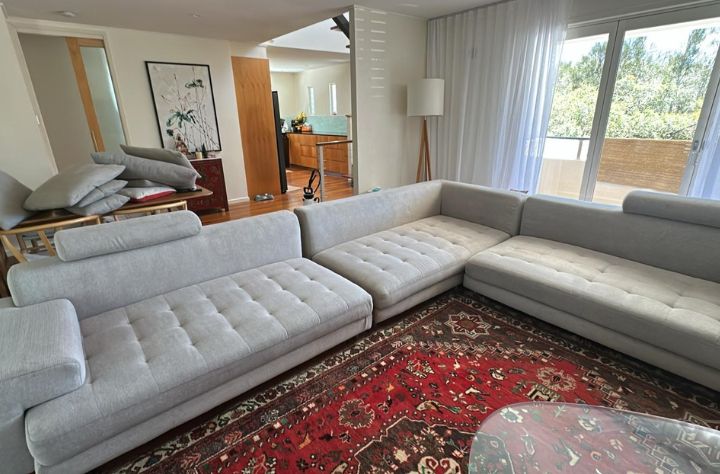
A red wine spill on your light-colored sofa feels like a disaster in slow motion. You watch it spread and think the stain is permanent.
It is not. You can remove a fresh red wine stain completely if you act fast and use the right method. Even dried stains can be treated successfully in most cases.
This guide shows you exactly what to do, what not to do, and how the chemistry works so you understand why each step matters. You will learn techniques for fresh spills, set-in stains, and different upholstery types.
What Happens When Red Wine Hits Your Upholstery
Red wine stains because of chromogens, which are pigment molecules, and tannins, which are plant compounds that bind to fabric fibers.
Wine is a triple threat: a dye stain from the pigments, a tannin stain that sets with heat, and an acidic liquid that can damage some fibers if left too long.
The moment wine touches fabric, the liquid carries pigments deep into the fibers. Tannins start forming bonds immediately. This is why speed matters more than anything else. Every minute you wait makes removal harder.
What You Should Do in the First 60 Seconds
Blot, never rub. Rubbing forces wine deeper into fibers and spreads the stain outward. It also damages the texture of your upholstery, creating a worn spot that remains visible even after the color is gone.
Grab a clean white cloth or paper towel. Press down firmly on the spill to absorb as much liquid as possible. Lift and use a fresh dry section each time. Continue until no more wine transfers to your cloth.
Do not pour water on the stain yet. Water can spread the pigments sideways through the fabric, turning a small spot into a large circle.
The Salt Myth You Should Stop Believing
You may have heard that pouring salt on a red wine stain absorbs the wine and prevents staining.
Salt does absorb some liquid from the surface, but it does nothing for the wine already inside the fibers. Worse, salt crystals are abrasive. Rubbing them into upholstery can scratch and weaken the fabric threads. Some sources claim salt pushes the stain deeper as it dissolves.
Skip the salt. You have better options.
How to Treat a Fresh Stain the Right Way
The most effective home method combines two common household products: hydrogen peroxide and dish soap. This works on most water-cleanable upholstery. Check your furniture tag first. If it has a W or WS code, you can use water-based cleaners safely.
What You Need
- 3% hydrogen peroxide
- Clear liquid dish soap (not colored, not dishwasher detergent)
- White cloths or paper towels
- A spoon or dull knife
- Cold water
Step-by-Step Process
Step 1: Test in a hidden spot. Apply a small amount of hydrogen peroxide to an inconspicuous area, such as the back of a cushion or under the skirt. Wait five minutes. If the color bleeds or fades, stop and call a professional. If nothing changes, continue.
Step 2: Mix the solution. Combine one tablespoon of hydrogen peroxide with one drop of dish soap in a small bowl. Do not make more than you will use, as hydrogen peroxide loses effectiveness when exposed to air and light.
Step 3: Apply to the stain. Dab the mixture onto the wine stain with a clean white cloth. Start at the outer edge and work inward to prevent spreading. You should see the red color begin to lift almost immediately.
Step 4: Let it work. Allow the solution to sit for five to ten minutes. You may see bubbling. This is the peroxide releasing oxygen, which breaks down the stain molecules.
Step 5: Blot away. Use a damp white cloth with cold water to blot the area and remove the cleaning solution. Alternate between the damp cloth and a dry cloth until no more color transfers.
Step 6: Dry properly. Press a dry towel against the damp area to absorb excess moisture. Aim a fan at the spot. Do not use a hair dryer or any heat source. Heat sets tannin stains permanently.
Why This Method Works
The chemistry explains why this combination outperforms commercial stain removers on red wine.
Hydrogen peroxide is an oxidizing agent. It breaks the double bonds in anthocyanins, which are the pigment molecules that give red wine its color. This converts deeply colored compounds into colorless ones.
Dish soap acts as a surfactant. It reduces surface tension so the peroxide penetrates deeper into fibers. It also lifts the broken-down pigments so you can blot them away.
Together they tackle the stain from two directions: chemical breakdown and physical removal.
What to Do If the Stain Has Already Dried
Set-in stains require more time but are still treatable in most cases.
Rehydrate First
Apply a small amount of cold water to the dried stain and let it sit for five minutes. You are not trying to soak the fabric. You want just enough moisture to loosen the dried wine residue so your cleaning solution can reach it.
Use the Same Peroxide and Soap Method
Follow the same steps as a fresh stain, but you may need two or three applications. Let the solution sit longer, up to 15 minutes per application. Be patient.
Try a Vinegar Solution for Stubborn Set-In Stains
If peroxide does not fully remove a dried stain, try white vinegar mixed with cold water in a 1:2 ratio. Apply with a cloth, blot, and rinse with cold water.
Do not mix vinegar and peroxide in the same bottle. They react together and neutralize each other. Use them as separate treatments.
Understanding Upholstery Cleaning Codes
Your furniture has a tag with a cleaning code. Finding and reading it can save you from ruining your upholstery. The tag is usually under a cushion, on the bottom of the furniture, or along a side seam.
| Code | Meaning | What You Can Use |
|---|---|---|
| W | Water-based cleaners safe | Hydrogen peroxide method, soap and water |
| S | Solvent-based cleaners only | Dry cleaning solvent, no water at all |
| WS | Water or solvent cleaners safe | Either method |
| X | Vacuum only, no liquids | Professional cleaning only |
If your upholstery is Code S, do not use the peroxide method. Water can leave rings, cause shrinkage, or damage the fabric backing. Use a dry cleaning solvent specifically labeled for upholstery instead.
For Code X fabrics such as silk or some vintage velvets, call a professional. Even water can leave permanent marks.
Special Cases That Require Different Approaches
White or Cream Upholstery
You can use the peroxide method with more confidence because bleaching is not a concern. For stubborn residual pinkness, you can apply straight 3% hydrogen peroxide with a cotton ball. Let it dry naturally in good light, as UV helps break down remaining pigments. Rinse with cold water afterward.
Dark or Bright Colored Upholstery
Your risk of color fading is higher. Test in a hidden area and check every two minutes during treatment. Limit peroxide contact time to five minutes per application. Rinse thoroughly between attempts.
Velvet Upholstery
Velvet fibers crush easily when wet. Use minimal liquid. After cleaning and while the fabric is still slightly damp, gently brush the nap in one direction with a soft, dry toothbrush. This restores the texture. Let air dry completely before using the furniture.
Leather Upholstery
Do not use peroxide. It can strip the finish and cause discoloration. Blot the spill immediately, then clean with a leather-specific cleaner. Condition the leather afterward, as wine is acidic and can dry out the material.
Commercial Products You Can Trust
If you prefer a ready-made solution, these products have proven effective on red wine according to testing by consumer publications:
Wine Away: Formulated specifically for red wine stains. Contains oxidizing agents similar in function to peroxide.
Folex Instant Carpet Spot Remover: Water-based, non-ionic surfactant formula. Safe for most water-cleanable upholstery. No rinsing required.
Nature's Miracle: Enzymatic cleaner useful if wine has been mixed with food residue. Breaks down organic matter.
Always test any product on a hidden area first, even if the label says it is safe for all fabrics.
Common Mistakes You Should Avoid
Using heat. Hot water, steam cleaners, hair dryers, and irons all set tannin stains. Once a stain is heat-set, even professional cleaning may not remove it completely.
Scrubbing the stain. This damages fibers and spreads the stain. Blotting is always the correct technique.
Waiting too long. Red wine stains are significantly easier to remove when fresh. A stain treated within two minutes is often gone in five minutes. The same stain left overnight may take multiple treatments.
Over-saturating the fabric. Too much liquid can soak into cushion foam, leading to mildew odors that are harder to fix than the stain itself.
Using bleach. Chlorine bleach can yellow some fabrics and permanently damage wool, silk, and many synthetics. It is too harsh for upholstery.
When You Should Call a Professional
Call a professional upholstery cleaner if:
- The furniture is antique, heirloom, or irreplaceable
- The cleaning code is X
- You have tried the methods above twice with no improvement
- The fabric is silk, antique velvet, or hand-dyed
- The spill soaked deep into the cushion filling
- You notice color bleeding from the fabric itself during testing
Professional hot water extraction or dry cleaning methods can reach deeper into fibers than surface treatments. The cost typically ranges from $75 to $200 depending on the piece and location, according to industry pricing data from HomeAdvisor.
How to Protect Your Upholstery Before the Next Spill
Scotchgard Fabric Protector creates a barrier that gives you more time to blot spills before they penetrate fibers. Apply it annually to clean, dry upholstery following the manufacturer's instructions.
Keep a stain emergency kit accessible if you entertain often. Include white cloths, hydrogen peroxide, clear dish soap, and a small bowl. Having everything within reach during a party turns a 60-second response into a 10-second response.
Consider washable slipcovers for furniture in high-risk areas. They are less expensive to replace than upholstery.
Frequently Asked Questions
Can I use baking soda instead of salt?
Baking soda absorbs liquid and can help with odors, but it does not break down wine pigments. It is slightly abrasive and requires vacuuming from fabric, which can be difficult on some upholstery. Peroxide and soap is a more complete solution.
Does club soda actually work?
Club soda can help dilute a fresh spill, and the carbonation may lift some pigment to the surface. However, it contains no oxidizing agent, so it does not break down the stain chemically. It is better than nothing in a pinch, but not as effective as peroxide.
What if the stain turns blue or green?
This can happen when tannins in red wine react with certain fibers or with iron in hard water. If you see this, apply white vinegar diluted 1:1 with water. The acidity often reverses the color change. Rinse afterward.
Can I use the same method on carpet?
Yes. The hydrogen peroxide and dish soap method works on most synthetic carpets, which are typically colorfast. Test first. Wool carpets require special care because peroxide can damage wool fibers.
How long do I have before a stain becomes permanent?
There is no fixed deadline. Fresh stains come out faster and more completely. After 24 hours, stains are harder but not always impossible to remove. Heat-set stains, such as those that went through a dryer or were hit with steam, are often permanent.
Will wine stain my upholstery if I treated it with fabric protector?
Fabric protector buys you time but does not make upholstery stain-proof. You still need to blot immediately and treat the spill. The protector prevents the wine from penetrating as deeply, which makes cleaning more successful.
Key Takeaways
You can remove red wine from upholstery successfully if you act fast, blot instead of rub, and use the peroxide and soap method on appropriate fabrics. Dried stains are harder but still treatable. Check your furniture's cleaning code before using any liquid. Avoid heat completely until the stain is gone.
Keep a small kit of white cloths, peroxide, and clear dish soap accessible. The difference between a five-minute cleanup and a permanent stain often comes down to whether you have the right supplies within arm's reach when the glass tips over.