
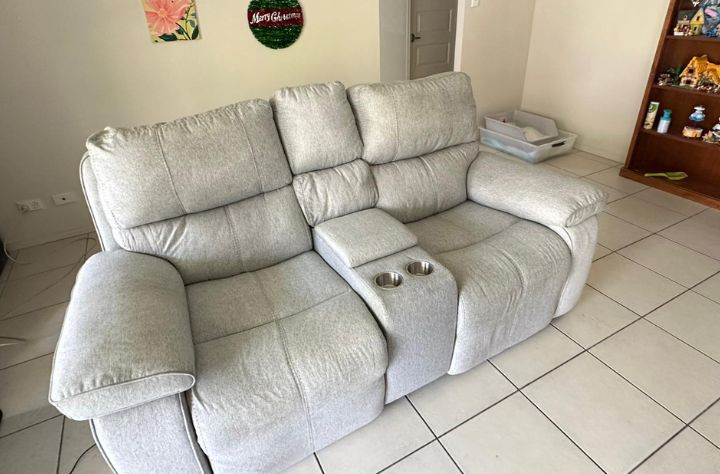
If you need a direct, no-nonsense answer: steam cleaning is better for maintenance, allergen reduction, and quick drying. Shampooing is better for removing heavy, ground-in dirt and restoring deeply soiled fabric. The "best" method depends entirely on your upholstery’s condition, fabric type, and what you’re trying to remove.
Choosing the wrong method can permanently damage your furniture. This guide gives you the same decision-making framework professional cleaners use, so you can pick the right approach with confidence.
How the Two Methods Fundamentally Differ
Before you decide, you must understand that these methods clean in opposite ways.
How Shampooing Works
You apply a foamy detergent directly to the fabric. A brush or machine agitates the foam to loosen dirt from fibers. After a dwell time, you extract the dirty foam with a wet vacuum.
The primary cleaning action is chemical. Detergents encapsulate and lift oily, sticky soils.
Think of it like washing your hair with actual shampoo. You’re using surfactants to carry grime away.
How Steam Cleaning Works
You use a machine to inject hot, pressurized water vapor into the fabric. The heat and moisture rapidly expand the fibers, releasing dirt, dust mites, and allergens. You then extract the soiled water back into the machine simultaneously.
The primary cleaning action is thermal and physical. Heat does the heavy lifting.
Think of it like using a hot towel to open your pores. It’s not primarily about soap.
Why This Decision Matters More Than You Think
Your couch is one of the most expensive and heavily used items in your home. It absorbs sweat, skin oils, pet dander, food spills, and airborne pollutants daily.
Using the wrong cleaning method can cause:
- Fabric shrinkage: Heat and aggressive agitation can tighten fibers.
- Color bleeding: Excessive moisture can push dyes out of natural fabrics.
- Mold growth: Leaving padding wet for too long creates a biological hazard.
- Wicking: Deep stains resurface days later because the backing got soaked.
You’re not just choosing a clean. You’re protecting an investment.
Comparison at a Glance
Here is a direct, side-by-side breakdown based on standard results you can expect.
| Criterion | Shampooing | Steam Cleaning |
|---|---|---|
| Best For | Heavy soil, grease, heavy traffic areas | Regular maintenance, allergies, odor |
| Drying Time | 4 to 8 hours (or overnight) | 1 to 4 hours |
| Chemical Use | Required (detergents/foams) | Optional, usually just water |
| Allergen Removal | Moderate | High (kills dust mites, mold) |
| Residue | High risk if not rinsed perfectly | Low risk (water-based) |
| Fabric Risk | Lower for agitation-tolerant fibers | High risk for heat-sensitive fibers (silk, wool) |
| Deep Soil Removal | Excellent | Fair to Moderate |
When You Should Choose Shampooing
You should reach for the shampooer in specific, severe scenarios.
The Soil Is Visible and Oily
If your armrests are black from body oil or the headrest area on a recliner feels greasy, you need a chemical reaction to break down those lipids. Water and heat alone won’t dissolve grease effectively.
You Have a "Crunchy" High-Traffic Spot
Dirt acts like sandpaper. When a seat cushion feels gritty even after vacuuming, the dirt is embedded in the fiber itself, held in place by oil. Shampooing provides the lubrication and suspension needed to float that grit out.
Your Fabric Has a High Rub Count
Tightly woven synthetics like polyester, nylon, and olefin can handle the mechanical scrubbing of shampooing. These durable fabrics often clean up best with a gentle scrub followed by a thorough rinse extract.
How to do it properly:
- Vacuum meticulously first. Loose hair and dust will turn to mud.
- Apply foam, not liquid. Foam saturates the backing less.
- Use a soft horsehair brush. Never scrub with hard plastic bristles.
- Go over the fabric multiple times with a rinse-only extractor pass. The most common mistake you should avoid is leaving soap in the fabric. It will attract dirt faster and create a sticky feel.
When You Should Choose Steam Cleaning
Steam is often the safer and smarter choice for modern, synthetic furniture and households with health priorities.
You Suffer from Allergies or Asthma
Research indicates that exposure to house dust mite allergens on upholstered furniture is a primary trigger for allergic sensitization. Steam’s high temperature effectively denatures the Der p 1 allergen protein in dust mite feces. Shampooing may wash mites away, but it doesn’t reliably destroy the allergy-causing proteins on contact.
You Want to Deodorize Without Perfumes
Pet smells or musty odors often come from bacteria in the padding. Steam’s thermal heat kills the bacteria causing the smell. Shampooing covers smells with fragrance. Steam eliminates the source.
You Have a "Cleaning Code" S or W Fabric
Look under your cushions for the tag.
- W: Use water-based cleaners. Steam is ideal.
- S: Use solvent-based cleaners only. Do not use steam or water-based shampoo.
- S-W: Use either.
- X: Vacuum only. No moisture at all.
Disregarding a code 'S' tag with steam will cause water rings and potential shrinkage.
The "Wicking" Problem You Need to Watch For
This is the most frustrating outcome you may face days after cleaning. A brown, blotchy stain reappears on the surface after the fabric dries, often looking worse than before.
It happens when liquid soaks deep into the cushion’s backing, dissolves old dirt deep inside, and carries it upward as it dries.
How you prevent it regardless of method:
- Shampooing: Use very dry foam. After extraction, place fans to dry the piece as fast as possible. Towel dry aggressively.
- Steam: Do not over-wet. Keep the cleaning tool moving. Make more dry passes (vacuum only, no spray) than wet passes.
Step-by-Step Process for Either Method
Follow this sequence no matter which method you pick.
Step 1: The Dry Soil Removal Step
Vacuum every seam, crevice, and surface with a brush attachment. Use a crevice tool where cushions meet. If you skip this, you turn dust into sludge that pushes deeper into the weave.
Step 2: The Chemistry Test
Apply your chosen solution to a hidden area, like the fabric under the skirt or a zippered cushion cover inside edge. Wait 15 minutes. Blot with a white cloth. If color transfers, stop immediately.
Step 3: The Protect Step
Place foil or plastic wrap under furniture legs before applying any moisture to prevent wood stain transfer from finish.
Step 4: The Rinse Step (Crucial for Shampoo)
Fill your extractor with clean, warm water. Go over the shampooed area multiple times to rinse. Soap residue left behind is a magnet for new dirt.
Advanced Considerations: Fabric and Chemistry
Natural Fibers (Cotton, Linen, Wool)
You face high risk of shrinking and browning. Cellulosic fibers like cotton and linen can turn brown (cellulosic browning) when over-wet and dried slowly. In these cases, steam is often riskier unless you have industrial drying equipment. Shampooing with a low-moisture foam is generally safer.
Synthetic Fibers (Polyester, Microfiber, Olefin)
You have little risk of shrinking. These are very forgiving. Steam cleaning works beautifully here. However, olefin is oil-loving. It chemically attracts oil. For an olefin sofa that feels sticky, you must use shampoo. Water can't remove that bond.
The "Middle Way": The Low-Moisture Encapsulation Method
There is a third option you won’t hear about as often. It bridges the gap.
A polymer-based cleaner is sprayed onto the fabric. As you brush it in, it surrounds soil particles and forms crystals. Once dry, you simply vacuum the crystals away.
- No Rinsing: Eliminates wicking risk.
- Fast Drying: Ready in 1 to 2 hours.
- Best For: Commercial carpets and synthetic upholstery with moderate soil.
However, it lacks the deep-flush capability of hot water extraction and the degreasing power of traditional shampoo.
Common Mistakes You Should Avoid
Using household spot cleaners aggressively. Spray products like Resolve can bleach natural fibers and leave rings if not rinsed.
Dismissing the tag. You are not just guessing. You are ignoring the manufacturer's legally required care instructions. If the furniture is still under warranty, using the wrong method voids it.
Rubbing the fabric. Always blot. Rubbing twists the fibers and creates a fuzzy, worn patch that cannot be fixed.
FAQ: Your Direct Questions Answered
Which method dries faster?
Steam cleaning. It introduces less moisture volume per square inch than a traditional shampoo and rinse cycle. You can typically sit on steam-cleaned furniture in 2 hours, versus 6 to 8 for shampooed furniture.
Can I just use my carpet cleaner on the sofa?
Yes, but only with the proper upholstery attachment. Carpet wands are too aggressive and often overspray. Your upholstery tool should have a narrower head and finer spray jets.
Does steam cleaning sanitize my couch?
Yes, partially. Steam at temperatures above 175°F (79°C) kills dust mites, mold spores, and many bacteria upon contact. However, true "sanitizing" to EPA standards requires a very specific contact time that handheld machines can struggle to maintain. It reduces bioburden significantly but is not medical-grade sterilization.
Why does my sofa smell worse after steam cleaning?
Because you got the padding too wet and the existing bacteria in it multiplied in the damp, dark environment, or you re-activated old urine crystals. To fix this, speed up drying aggressively with fans and dehumidifiers.
Is shampooing just for carpets?
No. The term "shampoo" in professional contexts refers to any high-foam cleaning agent used with agitation, historically including on fine upholstery. Modern encapsulation chemistry has improved it significantly.
Conclusion: Your Decision Framework
Your choice comes down to a single filter question.
What is the primary problem?
- Is the problem oily skin, food grease, and deep black grime? Choose shampooing.
- Is the problem dust, light water-based spots, pet dander, and stale odors? Choose steam cleaning.
- Is the problem an expensive or natural fiber piece with no visible disaster? Choose low-moisture encapsulation or call a professional specializing in fine fabrics.
If you have a synthetic fabric couch that hasn't been cleaned in five years, I recommend a two-step approach: a deep restorative shampoo first, followed by maintenance steam cleaning every six months thereafter.
Whatever you choose, always test in a hidden spot, always control your moisture, and always dry quickly. Your furniture will look better and last longer because of it.